

Код товара: 1832124
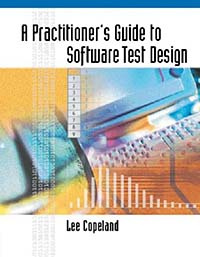
A Practitioner's Guide to Software Test Design
О товаре
Перейти к описанию
Автор на обложке
Lee Copeland
Год выпуска
2003
Тип обложки
Твердый переплет
Тип книги
Печатная книга
Язык издания
Английский
О книге
Today's most important test design techniques in a single comprehensive volume. Comprehensive, up-to-date, and practical, A Practitioner's Guide to Software Test Design introduces you to today's most
Товар не доставляется в ваш город
Доставка недоступна
Магазин
Подписаться
Ozon Россия
Перейти
4.9
Подтверждённые бренды
293
О магазине
Часто задаваемые вопросы
Описание
Today's most important test design techniques in a single comprehensive volume.
Comprehensive, up-to-date, and practical, A Practitioner's Guide to Software Test Design introduces you to today's most important test design techniques in a single, easy-to-understand volume, in 16 chapters specifically formatted to promote rapid learning, the book helps you:
- Learn the best test design techniques, from the classics to the most modern;
- Create test cases that are more effective and efficient in finding defects;
- Deal effectively with the "too many tests, too little time" dilemma.
Throughout the book, numerous case studies and examples help you understand and apply well-established techniques such as equivalence classes, boundary value analysis, decision tables, and state-transition diagrams, as well as newer techniques such as use case testing, pairwise testing, and exploratory testing. An indispensable resource for anyone seeking to improve their software testing skills, the book is particularly valuable for:
- Software test engineers who have the primary responsibility for test case design;
- Software developers who, with the advent of Extreme Programming and other agile development methods, are expected to do more and better testing of the software they write;
- Test and development managers who must lead their staffs to more effective testing methods.
- Артикул
- 1832124
- Автор на обложке
- Lee Copeland
- Год выпуска
- 2003
- Тип обложки
- Твердый переплет
- Тип книги
- Печатная книга
- Язык издания
- Английский
- Количество страниц
- 300
- ISBN
- 158053791X
Отзывы о товаре
1
A Practitioner's Guide to Software Test Design
Показать сначала:
новые и полезные
с высокой оценкой
П
ПД УДАЛЕНЫ
19 сентября 2012
Отзыв устарел
Данная книга является хорошим источником информации для начинающего QA: в ней на предельно простым языком описаны основные методики тестирования.
Основное внимание в книге уделено методикам тестирования "черного ящика", то есть в условиях, когда исходный код программы недоступен или QA не имеет возможности в нем разобраться. Таким понятиям как "граничные... Читать полностью
Вам помог этот отзыв?
Рейтинга пока нет. Он формируется на основе актуальных отзывов на заказанные и оплаченные товары
Как правильно задавать вопросы?
Будьте вежливы и спрашивайте о товаре, на карточке которого вы находитесь
Если вы обнаружили ошибку в описанием товара, воспользуйтесь функцией
Как отвечать на вопросы?
Отвечать на вопросы могут клиенты, купившие товар, и официальные представители.
Выбрать «Лучший ответ» может только автор вопроса, если именно этот ответ ему помог.